
Events (List View)

Texas Together: Talk Saves Lives - Firearms
TALK SAVES LIVES for Firearms Owners is a community-based presentation that covers the general scope of suicide, the research on prevention, and what people can do to fight suicide.

From Knowledge to Action: Responding to Suicide Risk
Join us for an interactive, skills-focused suicide prevention training designed to equip participants with practical tools to support individuals facing mental health challenges or suicidal thoughts.

Guiding Your Veteran Toward Help: Lethal Means Safety & Therapy
This interactive session is designed for spouses, partners, and loved ones who want practical, real-world tools to recognize suicide warning signs, understand lethal means safety, and support a veteran in getting into therapy—even when they’re hesitant.

Supporting youth in kinship care: A guide for family caregivers
This session is designed to address the unique challenges non-traditional caregivers face and to explore how they can best provide mental and emotional support to children.

Boots, Bales, Biopsies: Women’s Health on the Farm
Boots, Bales, and Biopsies is a down-to-earth, empowering session designed specifically for women in agriculture. We’ll cover what every rural woman needs to know about cancer prevention and early detection.

Talk Saves Lives: Supporting Our Veterans
Free, 60-minute educational program for audiences to learn about the impact of suicide among veterans, along with practical ways to recognize warning signs of suicide, navigate tough conversations, and connect veterans to support in ways that respect their autonomy.

2026 Working For Wellness Luncheon
This year’s theme, Community Works, emphasizes the power of collective support in fostering overall wellness.

It's Real: Teens and Mental Health (for High School Students): North and Central Texas
A 45-minute program, which provides young people with mental health education and resources.
Dementia Policy: Texas and Beyond
The series highlights cutting-edge, evidence-based research alongside practical strategies for community and clinical implementation, while fostering cross-sector partnerships to support collaborative research and competitive funding opportunities across Texas.

October Mental Health Innovations Exchange – AgriStress Response Network
The purpose of these monthly meetings is to engage innovative ideas and strategies to serve the farming and ranching community in the area of mental health.
NAMIWalks Central Texas
Won't you join the joy for this year's most important mental health fundraising event?
AFSP - Austin Walk
The Walks are an opportunity to find a supportive community of people who get it, to know you're not alone, and to make a difference together.

The Rising Cost of Healthcare: How Employers and the Healthcare Industry Can Partner to Strengthen the Central Texas Economy
This summit convenes business and healthcare leaders to examine factors driving today’s healthcare cost increases and how employers and the healthcare industry can work together to address them.

NAMI Texas 2026 Conference
The NAMI Texas Annual Conference brings together individuals and families affected by mental illness, mental health service providers, and stakeholders from across the mental health community.
Building Successful Community-Research Partnerships
The series highlights cutting-edge, evidence-based research alongside practical strategies for community and clinical implementation, while fostering cross-sector partnerships to support collaborative research and competitive funding opportunities across Texas.
Finding Hope: Guidance for Supporting Those at Risk - North and Central Texas
This program was designed to provide you with information, resources, and practical guidance on how to support someone in your life with lived experience of suicide.

The 22nd Annual Operation: Hats Off For Veterans Family BBQ and Resource Fair
Come and be a part of this special occasion as we celebrate, learn, and connect.

14th Annual Mental Health Conference
Professional development event focused on the intersection of mental health and the justice system, offering practical strategies and insights to support well-being, resilience, and effective practice in demanding environments.

Cultivating hope: Suicide prevention and resilience in rural communities
Join us to learn how to foster open conversations about mental health in rural communities and ensure that life-saving resources are accessible to those who need them most.

25th Anniversary 9/11 Memorial Luncheon
Hats Off For Veterans invites you to join us as we honor and
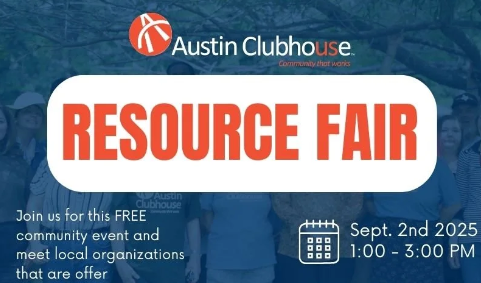
2026 Resource Fair
This free, public event is your opportunity to connect with a wide range of local organizations offering resources in employment, housing, mental health, wellness, and more.
Developing the Texas Dementia Workforce
The series highlights cutting-edge, evidence-based research alongside practical strategies for community and clinical implementation, while fostering cross-sector partnerships to support collaborative research and competitive funding opportunities across Texas.

Volunteer 101: North and Central Texas
Join us for an AFSP 101 Orientation to find out how to get involved with the fight to stop suicide.

Youth Mental Health First Aid & Safety Planning Intervention
This free training combines Youth Mental Health First Aid and Safety Planning Intervention—two evidence-based programs designed to help adults recognize warning signs, respond to mental health challenges, and take proactive steps during moments of crisis in adolescents ages 12–18.
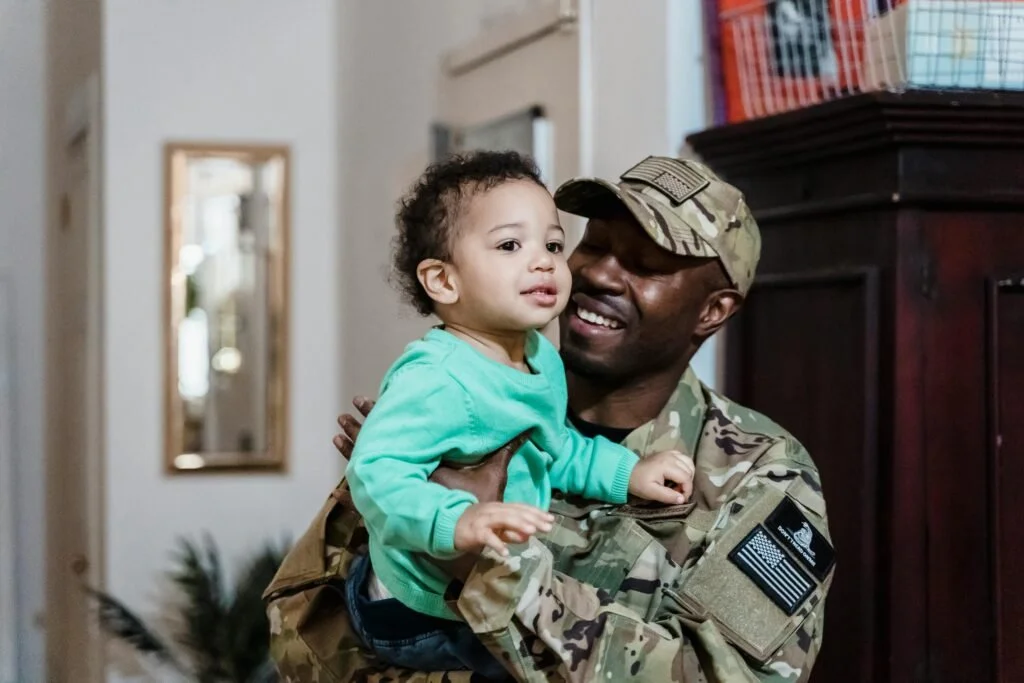
Supporting military families through transitions
This webinar provides caregivers with tools to manage the emotional cycle of military family transitions and help children feel grounded, even when their world is constantly shifting.

2026 TARHC fall conference & trade show
Texas Association of Rural Health Clinics Fall Conference

Free August CEU: Topic on ADHD
Join us for a free in-person chat this August on ADHD — learn, connect, and grab some CEUs!
From Knowledge to Action: Responding to Suicide Risk
Join us for an interactive, skills-focused suicide prevention training designed to equip participants with practical tools to support individuals facing mental health challenges or suicidal thoughts.

Back to School Mental Health Event
Free Backpacks - Free Haircuts - Free Hair Braiding, Food, and Fun!

Austin Clubhouses' 16th Anniversary Party
Save the date! Austin Clubhouse is turning sixteen. Since 2010, Austin Clubhouse has been dedicated to improving the lives of adults with mental health diagnoses.
FESTA: From Connection to Action/From Ideas to Impact
This session will provide an overview of the FESTA program, including its mission, curriculum, and benefits for school districts
Innovations in Aging Research and Technology
The series highlights cutting-edge, evidence-based research alongside practical strategies for community and clinical implementation, while fostering cross-sector partnerships to support collaborative research and competitive funding opportunities across Texas.
Navigating the New Normal: Military Families After Service
Participants will explore the psychological, relational, and cultural aspects of military transition, gaining practical tools to support themselves and their families during this period of adjustment.
Talk Saves Lives - Construction: North and Central Texas
This presentation covers the scope of this leading cause of death in the construction industry, what the research has found to be the warning signs and risk factors of suicide, and the strategies that prevent it.

AI and Anxiety: What Helps, What Hurts, and What You Should Know
A free, live webinar that will offer a general audience overview of how AI chatbots are being used for mental health purposes, with particular attention to anxiety disorders and OCD.
Safety Planning Intervention
Safety Planning Intervention is a free, four-hour interactive training that equips you with practical tools to support safety and well-being at home and in your community.

Importance of Patient-Centered Care for Improving Perinatal Mental Health
PeriPAN offers a collaborative learning experience between 12 health-related institutions across Texas focused on perinatal mental health.
Oasis Health Expo 2026 San Antonio
Discover new ways to enhance your physical, mental, and spiritual well-being.
Mid-Summer Community Resource and Social Hangout
It’s all about connecting with your community, learning about the local resources, meet some of our staff and just having a great time together.
Agricultural Dust and Your Health
Overall, it aims to equip agricultural workers with knowledge and tools to better protect their health.
Hoarding Disorder: Identifying and Treating the Mental Health Condition Behind the Clutter
Fugen Neziroglu, PhD, ABPP, ABBP, will explore the differences between normal collecting and Hoarding Disorder, helping participants recognize when saving possessions has become problematic.

Adult MHFA for Higher Education Instructor Training
Earn your Adult Mental Health First Aid or Youth MHFA Instructor certification and empower your community to address mental health and substance use challenges head-on with an evidence-based, nationally recognized program.
Mental Health First Aid & CALM Conversations
Two nationally recognized, evidence-based trainings that equip you to support someone in crisis with knowledge, confidence, and compassion.
FESTA: Bridging Scholarship and Community to Grow Capacity
This session will provide an overview of the FESTA program, including its mission, curriculum, and benefits for school districts
Dementia Support Systems: Patient, Caregiver, and Spouse Wellbeing
The series highlights cutting-edge, evidence-based research alongside practical strategies for community and clinical implementation, while fostering cross-sector partnerships to support collaborative research and competitive funding opportunities across Texas.

Aging & Mental Health: Understanding Emotional Well-Being, Connection, and Support in Later Life
Explore how mental health changes across the lifespan, how aging-related transitions can affect emotional well-being, and how individuals, families, and communities can respond with awareness, compassion, and practical support.

Life & Love with PTSD
These supportive, peer-led sessions offer space for honest conversation, meaningful connection, and practical tools for navigating life and love with PTSD.

From Knowledge to Action: Responding to Suicide Risk
Join us for an interactive, skills-focused suicide prevention training designed to equip participants with practical tools to support individuals facing mental health challenges or suicidal thoughts.